
In the years following Rwanda's 1994 genocide, returning refugees settled within Akagera's boundaries in large numbers, and roughly two-thirds of the park's original protected area was degazetted.
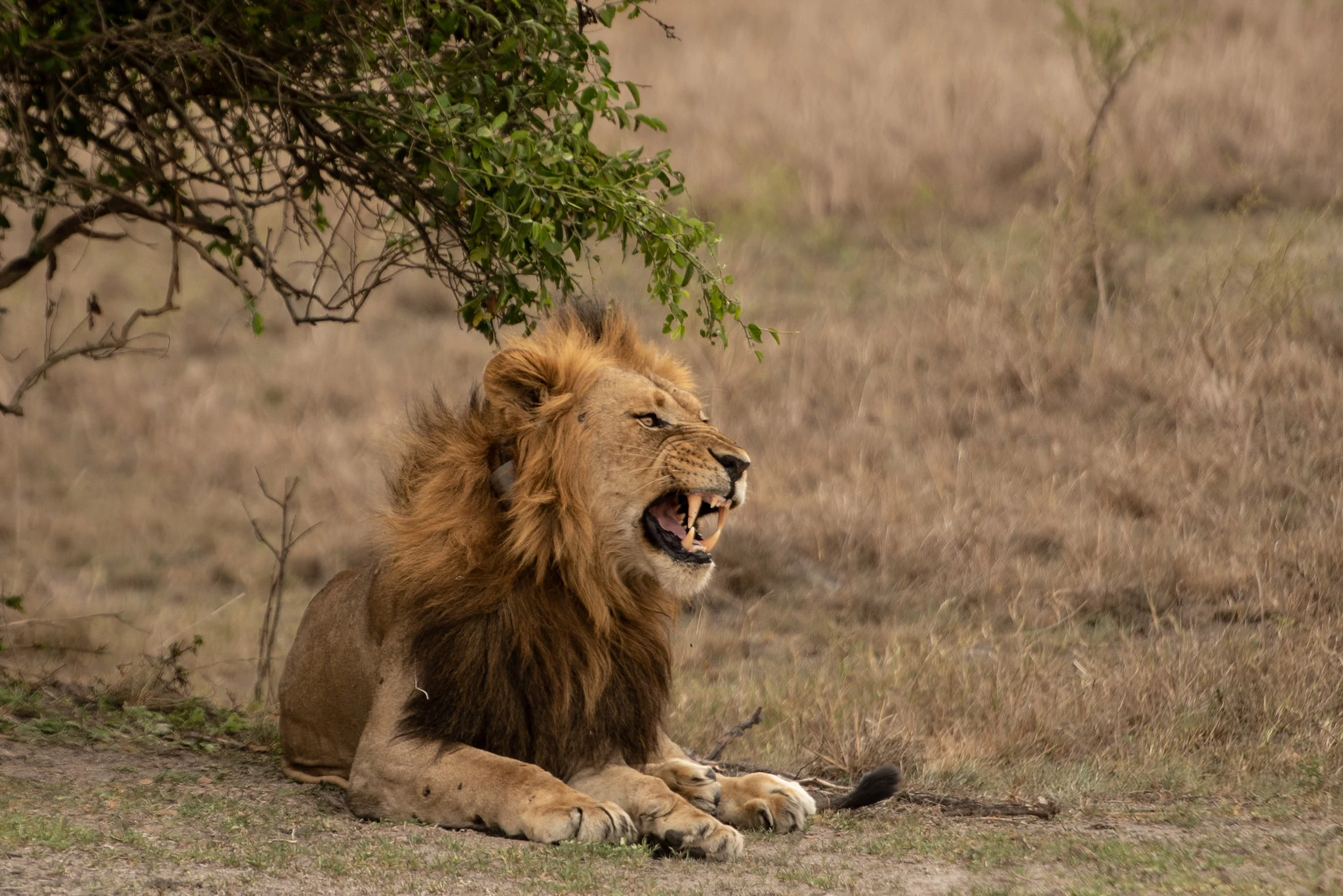
Wildlife populations collapsed under the combined pressure of habitat loss and poaching. Lions disappeared entirely by the early 1990s; black rhinos were similarly wiped out. By the early 2000s, Akagera existed more on paper than in practice — a protected area in name, without the wildlife density or management infrastructure to function.
The African Parks partnership
In 2010, the Rwanda Development Board entered a management partnership with African Parks, a nonprofit specialising in rehabilitating protected areas across the continent. The partnership brought dedicated funding, professional management, a reinforced perimeter fence to manage human-wildlife conflict, and — critically — the security conditions necessary to consider reintroducing what had been lost.
Lions return: 2015
Seven lions were reintroduced from South Africa in 2015, the first time the species had roamed the park in over two decades. The reintroduction required careful management given the total absence of established prides and the need to rebuild predator-prey dynamics close to from scratch. The population has since bred successfully.
Rhinos return: 2017 and 2025
Black rhinos were reintroduced in 2017, restoring a second Big Five species. Further translocations followed, culminating in a major 2025 "Rhino Rewild" initiative that relocated 70 southern white rhinos — one of the largest rhino translocations ever undertaken globally. Combined, the black and white populations gave Rwanda a complete, self-sustaining Big Five for the first time in decades: lion, leopard (which survived the decline in reduced numbers), elephant, buffalo, and both rhino species.
What made it possible
Beyond the reintroductions themselves, the recovery rests on specific structural decisions: a community revenue-sharing model mirroring the national 10% policy; a reinforced boundary reducing the human-wildlife conflict that had previously undermined both community relations and wildlife safety; and anti-poaching infrastructure sufficient to protect a rebuilding population through its most vulnerable years. None were single interventions — this reflects a sustained, multi-year management commitment.
What it means for visitors
Akagera today offers genuinely strong Big Five viewing — not the density of the Serengeti or Maasai Mara, given the park's smaller size, but a real, functioning savannah ecosystem within 2.5 hours of Kigali, entirely rebuilt within living memory. For travellers who value understanding the story behind what they're seeing, it offers a compelling one: this is not wildlife that was always there and passively protected, but an ecosystem deliberately and successfully restored.