
Rwanda has two dry seasons suited to trekking: June to September, and mid-December to February.
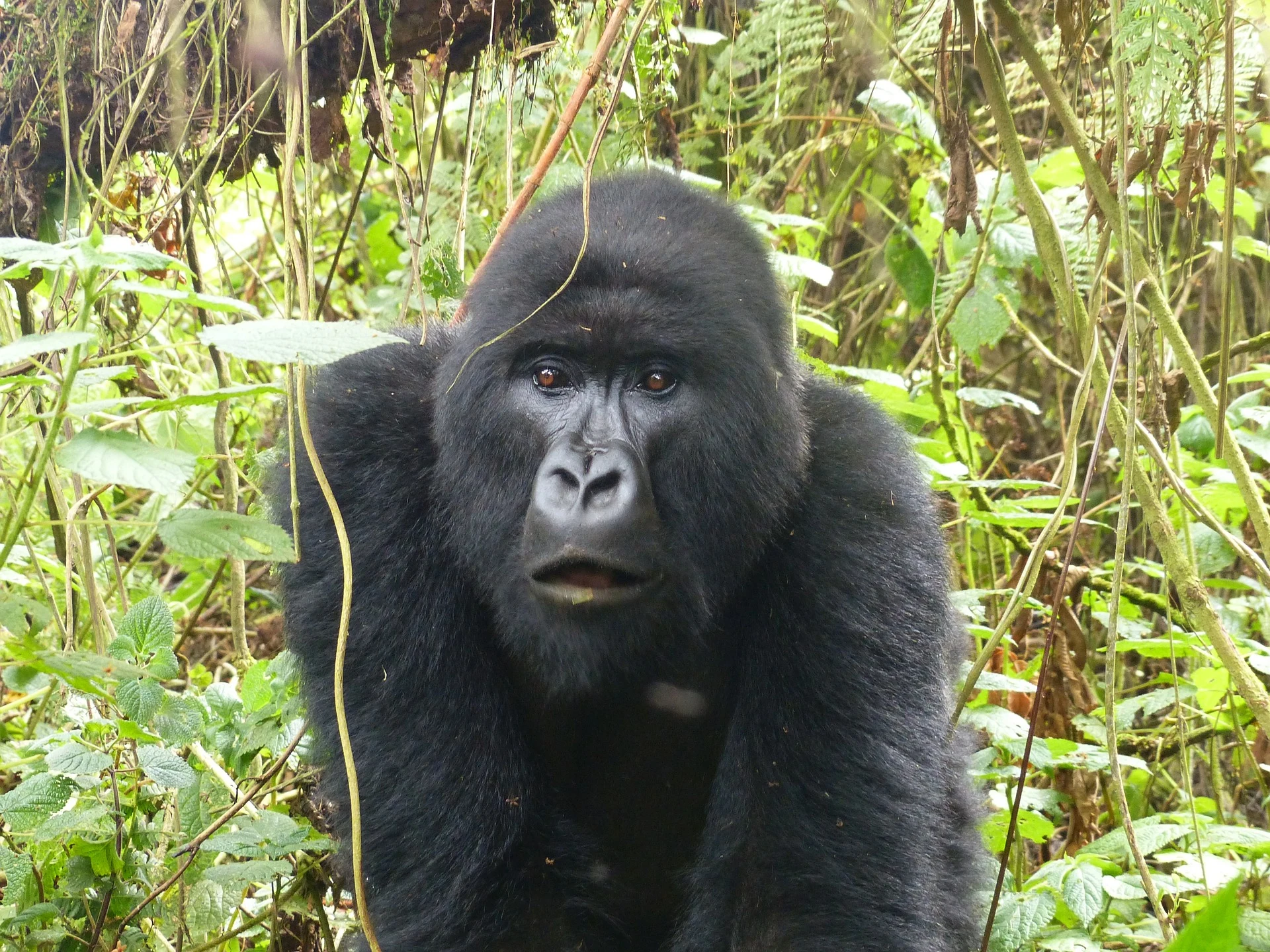
These offer firmer trails and are the most popular and most heavily booked periods, with peak-season permits commonly reserved six to twelve months ahead. The rainy seasons — March to May and October to November — bring lower visitor numbers, greener landscapes, and Rwanda's 30% low-season permit discount, at the cost of muddier trails and a higher likelihood of rain during the trek.
Gorilla trekking operates year-round. Volcanoes National Park is rainforest and montane habitat regardless of season, and rain gear belongs in every pack whenever you go.
June to September — long dry season
Rwanda's most reliable dry stretch and its busiest, coinciding with North American and European summer holidays. Trails at their firmest, photography conditions generally best, and the highest concentration of visitors at both park and lodges. The trade-off is booking pressure: permits and premium rooms are frequently secured six to twelve months ahead.
December to February — short dry season
A second dry window with a holiday-season surge around Christmas and New Year, when demand and pricing rise sharply. January and February typically ease, offering good trail conditions with marginally less competition than the June–September stretch.
March to May — long rains
The heaviest rainy season, bringing lush landscapes but the muddiest conditions and the most frequent rain during treks. Visitor numbers drop noticeably, permits are available closer to travel, and the low-season discount applies throughout. Many experienced Rwanda hands consider late April into early May a genuine value opportunity: rains easing, landscapes at their greenest, crowds thin.
October to November — short rains
Shorter and generally less intense than March–May, with the same advantages. November in particular is often cited by repeat visitors as underrated — lighter rains, easier permit availability, and lodges less fully booked than surrounding months.
At a glance
| Season | Months | Trails | Availability | Pricing |
|---|---|---|---|---|
| Long dry | Jun–Sep | Firmest | Books 6–12 months out | Standard |
| Short dry | Dec–Feb | Firm | Several months out | Premium over holidays |
| Long rains | Mar–May | Muddiest | Closer to travel | 30% discount |
| Short rains | Oct–Nov | Wet but milder | Generally available | 30% discount |
What doesn't change by season
The trek follows the same structure year-round — a 7:00 a.m. briefing at Kinigi, assignment based on that morning's tracking, and a walk that may last twenty minutes or several hours. Rain gear, waterproof boots and gaiters are essential in every season. A dry-season booking is not a guarantee of a dry trek.