
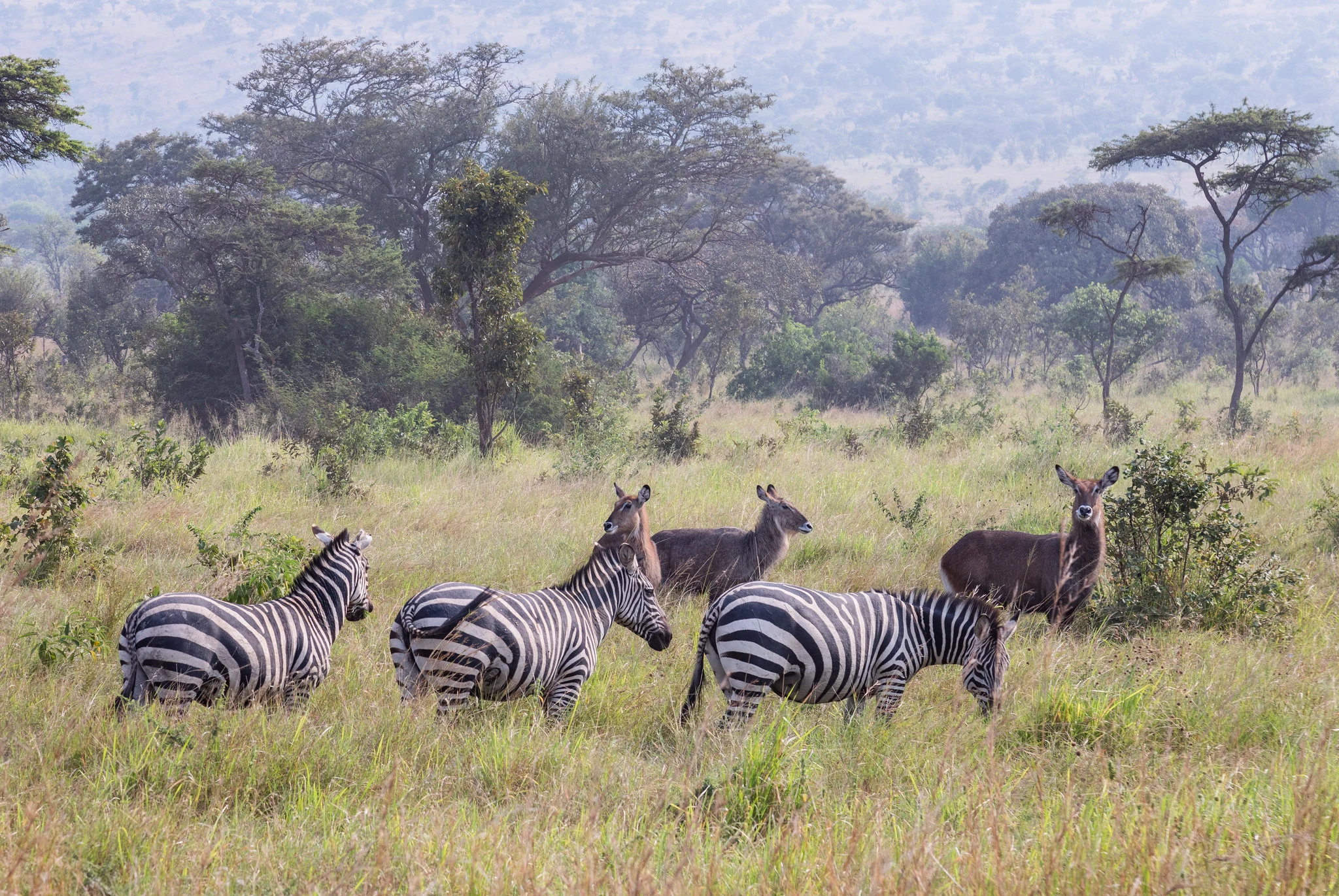
Akagera is Rwanda's only savannah park and its sole Big Five destination — a landscape of rolling grassland, acacia woodland, papyrus swamp and a chain of lakes that stands in complete contrast to the volcanic highlands and rainforest.
Established in 1934 and covering roughly 1,085 square kilometres along the Tanzanian border, Akagera sits approximately 2.5 hours by paved road from Kigali — feasible as a day trip, though an overnight makes for a considerably richer visit.
A park nearly lost, then rebuilt
Akagera's story is inseparable from its conservation history. Nearly devastated during and after Rwanda's 1990s civil war and genocide, when returning refugees settled within park boundaries and wildlife populations collapsed, it has undergone one of Africa's most complete recoveries under a partnership between the Rwanda Development Board and African Parks.
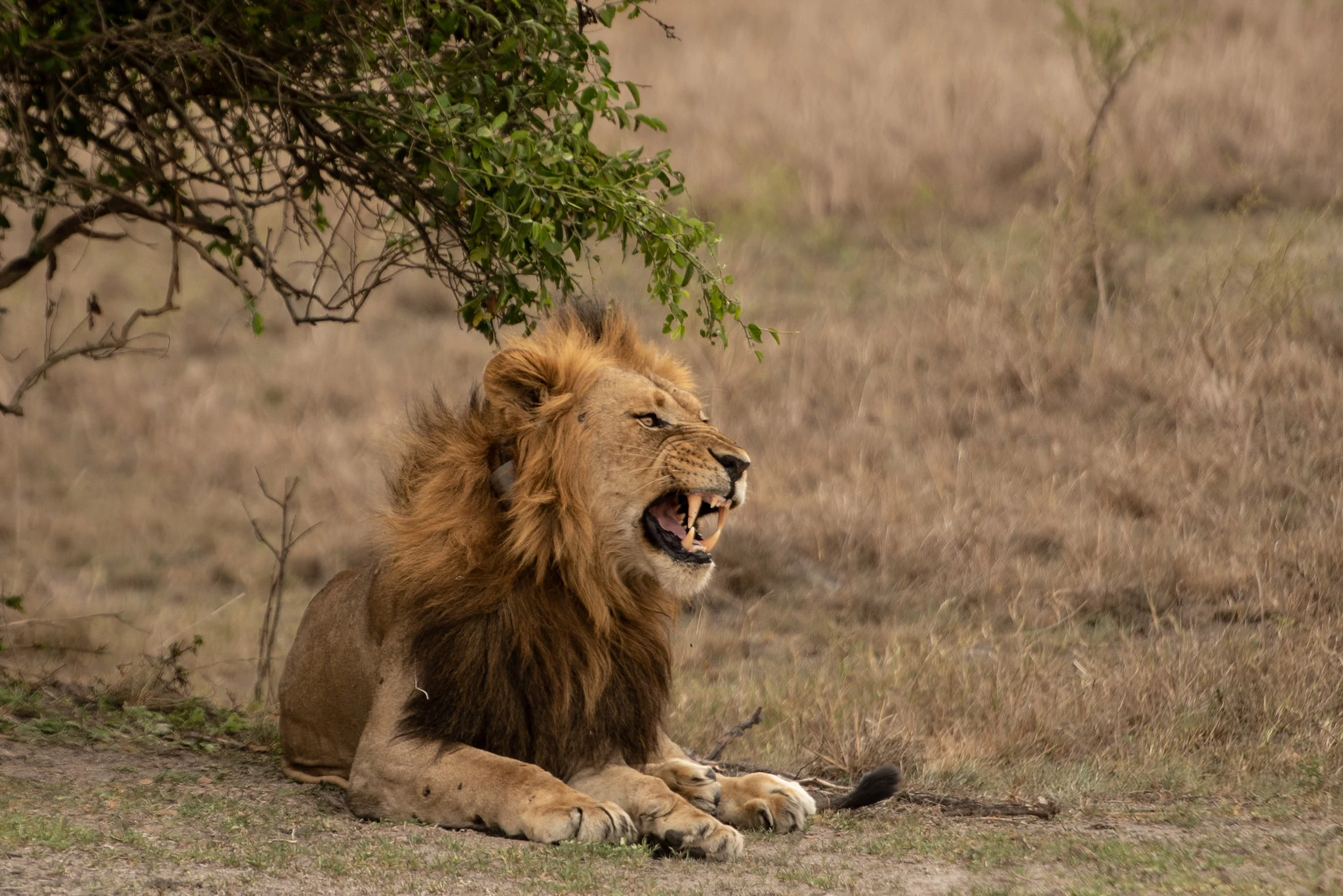
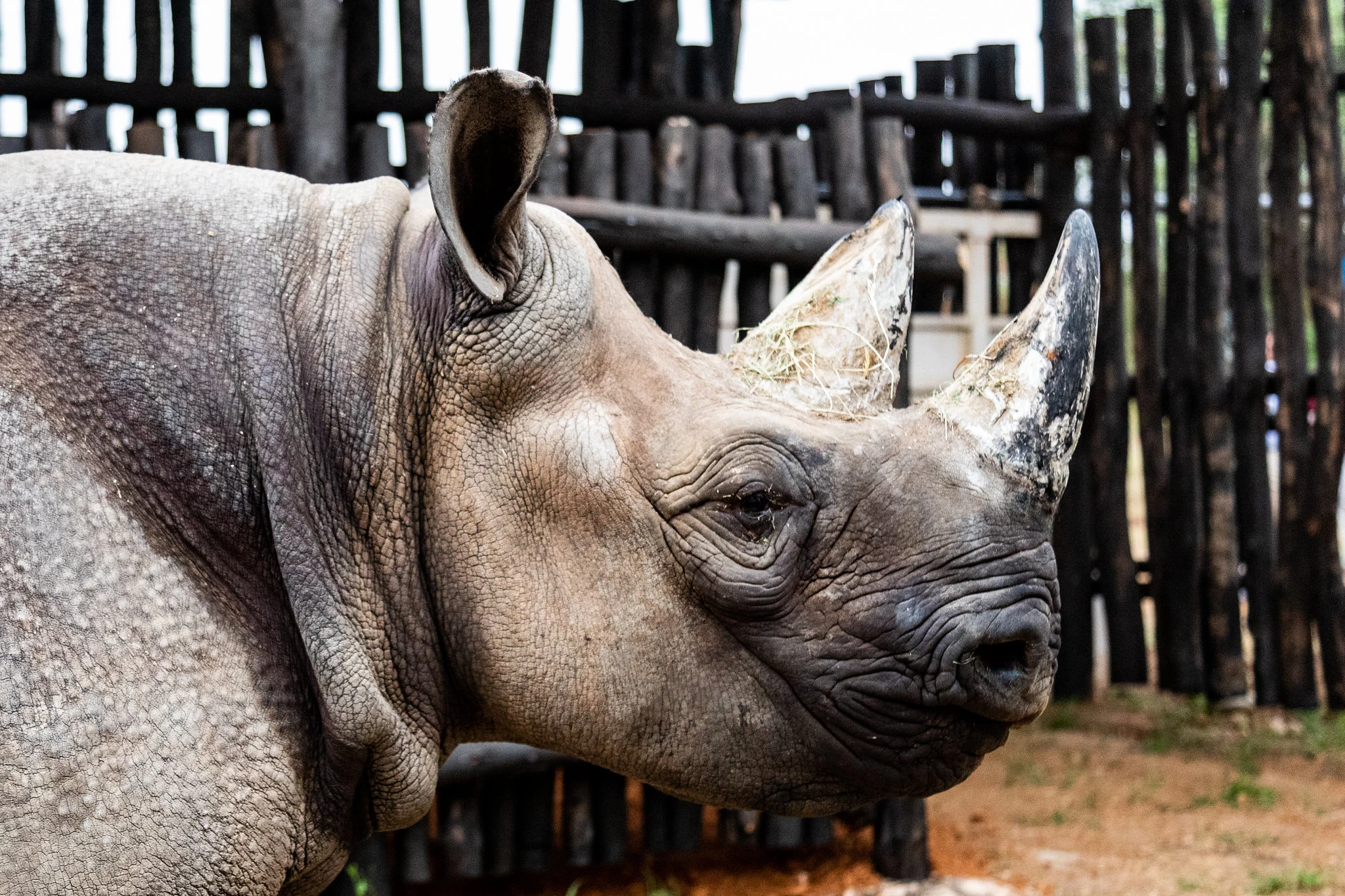
Lions, locally extinct since the early 1990s, were reintroduced from South Africa in 2015 and have bred successfully. Black rhinos followed in 2017, and a 2025 "Rhino Rewild" initiative added 70 southern white rhinos — together making Akagera Rwanda's only location for all Big Five species.
Game drives
The northern savannah sector is generally strongest for predator sightings, particularly on early-morning drives when lion prides are more active. Elephant and buffalo herds are well established throughout, and leopard, while naturally elusive, are present and regularly sighted by experienced guides. Beyond the Big Five, Akagera supports substantial giraffe, zebra, topi and antelope populations, alongside nearly 500 recorded bird species.
Lake Ihema and boat safaris
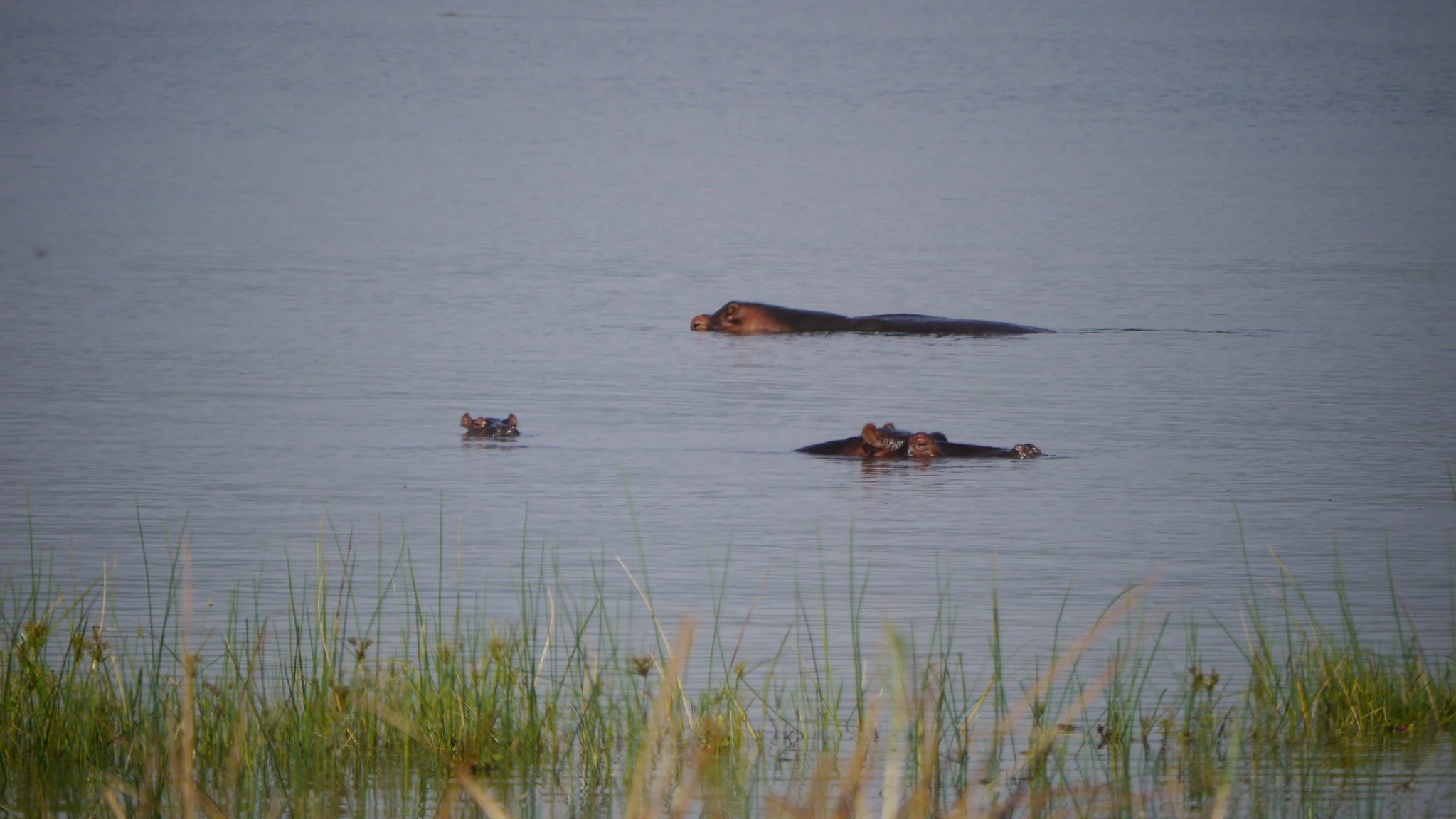
Akagera's chain of lakes — the largest being Lake Ihema — offers Rwanda's only boat safari: a markedly different vantage bringing visitors close to hippo pods, Nile crocodiles and dense waterbird activity along the shoreline. Boat safaris typically run in the late afternoon, when temperatures ease and animal activity picks up.
The Mutumba Hills
A chain of volcanic ridges along the park's western edge offering sweeping views over the full landscape — swamp, savannah and lakes in a single vista. Worth building in via a guided walk or an early drive timed for the light.
Where to stay
Akagera's luxury accommodation is more limited than the Volcanoes cluster, reflecting lower visitor volumes — a genuine advantage for travellers seeking a less crowded safari. Wilderness Magashi Camp, in the northern sector overlooking Lake Rwanyakazinga, and Ruzizi Tented Lodge, on Lake Ihema's shore, are the park's leading options.
Building Akagera into an itinerary
Because Akagera sits in the opposite direction from Rwanda's primate destinations, it works best either as a dedicated addition on a longer trip — as in our 10-day journey — or as a family-friendly anchor for groups including children under gorilla trekking's minimum age of 15.