Rwanda's approach to tourism is not conservation-adjacent. It is structured specifically to fund and incentivise conservation, and the results are among the most closely watched in African wildlife management.
Since 2005, Rwanda has directed 10% of all national park revenue — trekking permits, park entrance fees and related tourism income — directly to communities living around protected areas, funding more than a thousand local projects including schools, health centres, clean water systems and agricultural cooperatives.
This matters to how we think about every itinerary: a Rwanda safari is not a passive extraction of a wildlife experience but an active, structural contribution to the reason that experience continues to exist.
The mountain gorilla recovery
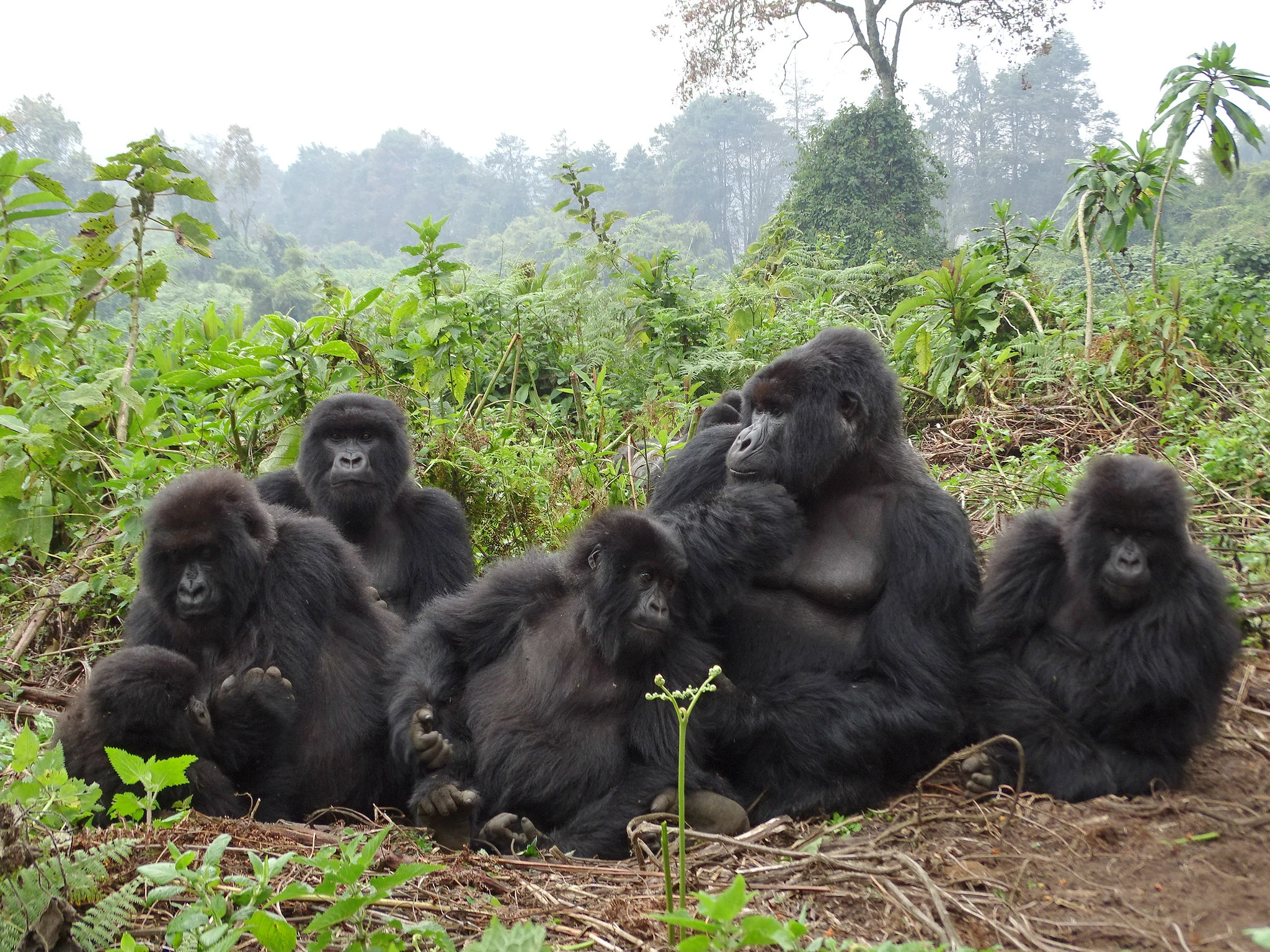
Mountain gorillas were listed as critically endangered for decades, with population estimates in the low hundreds at various points in the twentieth century. Today the Virunga Massif population — spanning Rwanda, Uganda and the DRC — has grown to over 600 individuals, part of a broader recovery that saw the species' IUCN status improve from Critically Endangered to Endangered in 2018. This is one of extremely few examples of a great ape population moving in a positive direction.
Rwanda's permit pricing, revenue-sharing model, and strict trekking regulations — the eight-person cap, the seven-metre distance rule, the ban on trekking while ill — are widely credited as central to that outcome.
Why the permit costs what it does →
Kwita Izina
Since 2005, Rwanda has held an annual gorilla naming ceremony modelled on a traditional Rwandan child-naming custom, typically each September. Newborn gorillas born in Volcanoes National Park over the preceding year are formally named by community members, conservationists and invited international guests — a ceremony that has named several hundred gorillas and functions as both a genuine cultural event and a highly visible platform for the conservation narrative.
Akagera's Big Five restoration
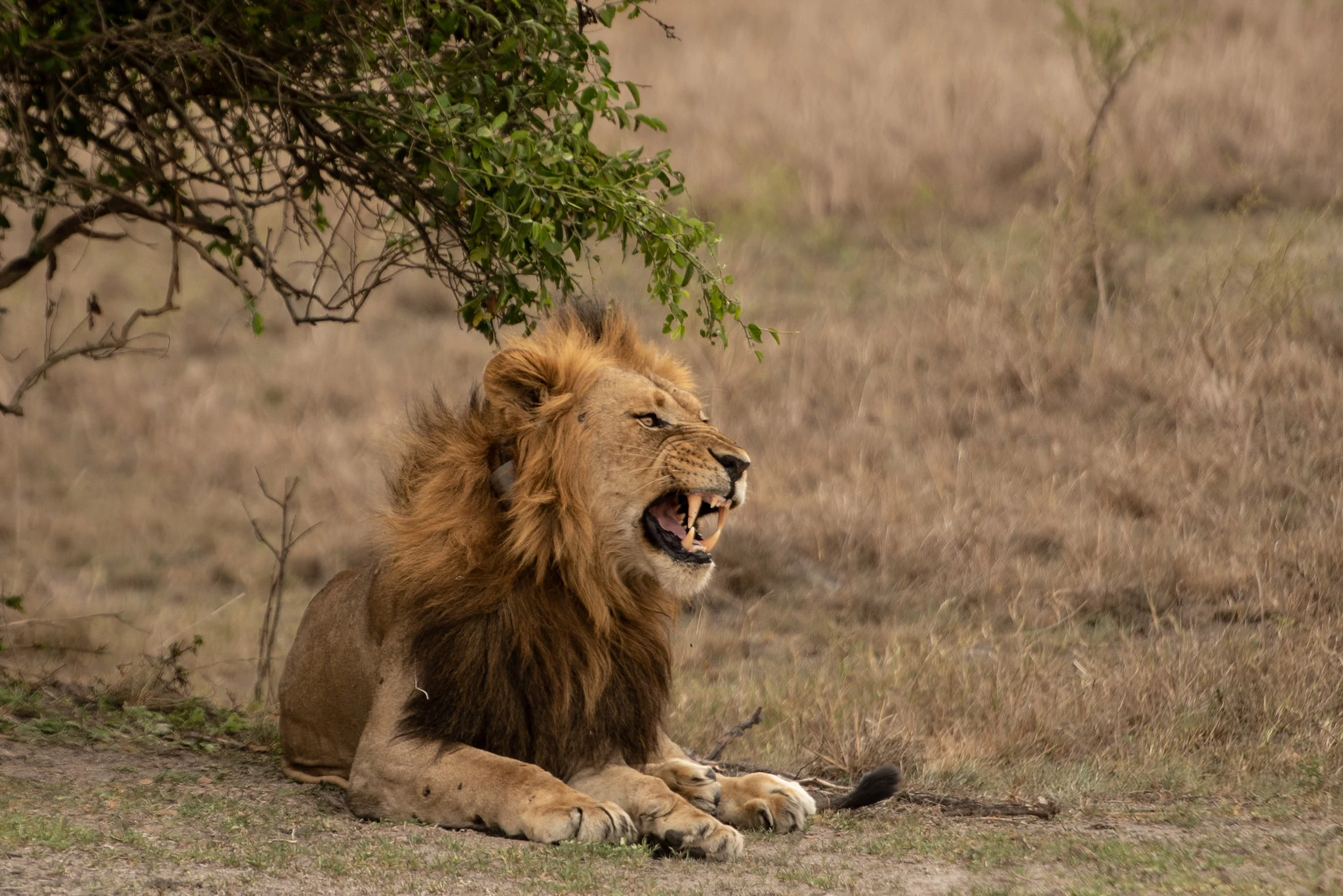
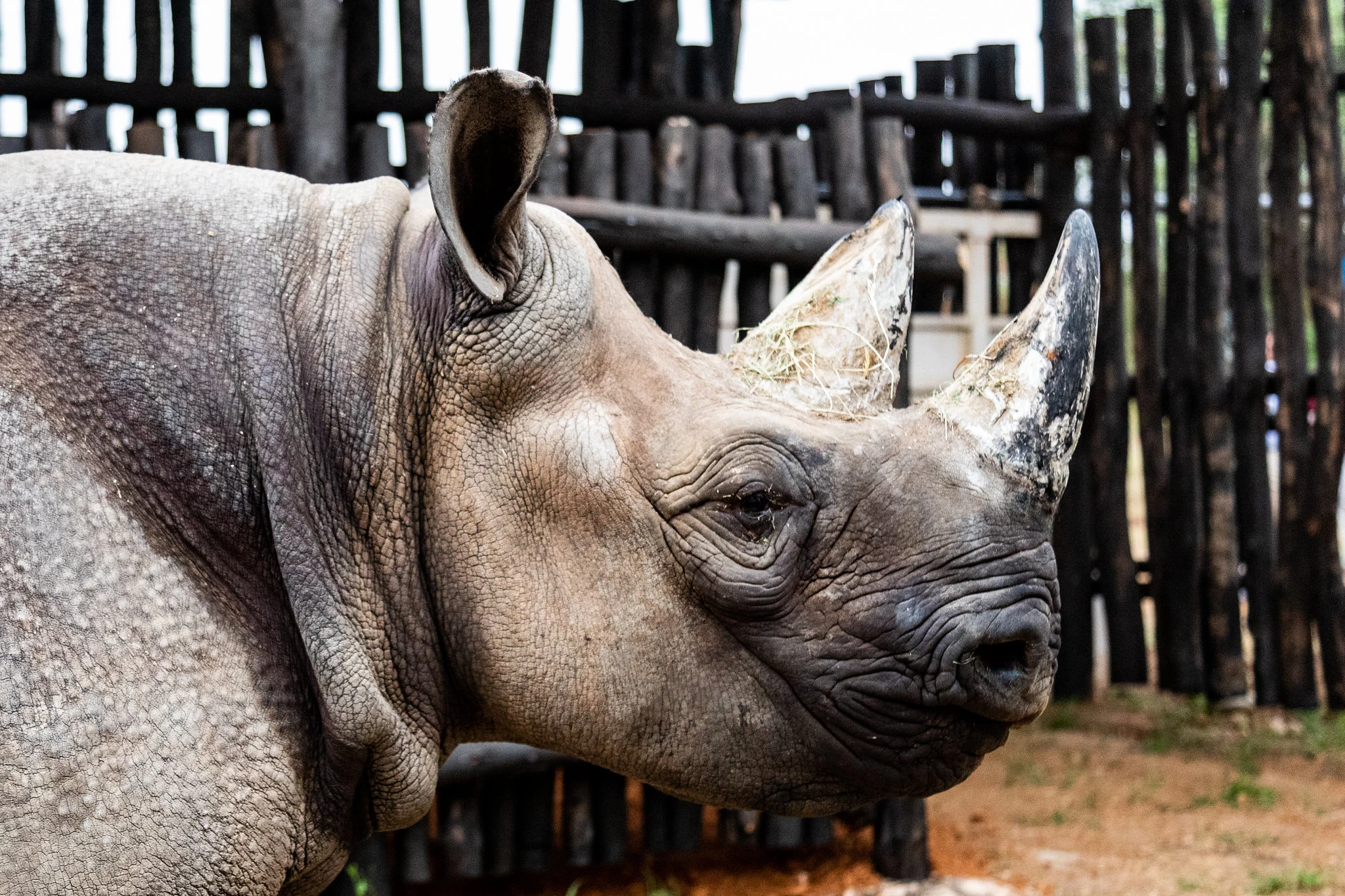
Akagera's recovery is among the most complete wildlife restorations in Africa. Nearly devastated after 1994, when the park's boundaries were reduced and populations collapsed, it has been rebuilt through a partnership between the Rwanda Development Board and African Parks: lions reintroduced from South Africa in 2015, black rhinos in 2017, and a major 2025 "Rhino Rewild" initiative translocating 70 southern white rhinos — one of the largest such operations ever undertaken.
Forest restoration beyond the parks
Rwanda's national forest cover now stands at roughly 30%, with close to 9% of total land area under protected status — figures reflecting decades of deliberate reforestation policy, including the buffer-zone projects several leading lodges participate in directly. Gishwati-Mukura National Park, gazetted in 2015 from two badly degraded forest reserves, is the clearest single example.
What responsible travel looks like in practice
- Choose operators and lodges genuinely engaged in conservation, not merely proximate to it. Several Rwandan properties run active reforestation, community or research partnerships worth understanding before booking.
- Respect trekking regulations without exception. The distance rules, group caps and illness protocols exist for measurable conservation reasons, not as bureaucratic formality.
- Engage with community-based experiences thoughtfully. Cultural village visits, coffee cooperative tours and craft purchases channel income directly to local livelihoods.
- Understand what your permit funds. Anti-poaching patrols, veterinary monitoring and the community programmes above are the direct product of Rwanda's comparatively high permit pricing.