
USD 1,500 buys one hour with a wild mountain gorilla family, following a trek that can run twenty minutes or seven hours.
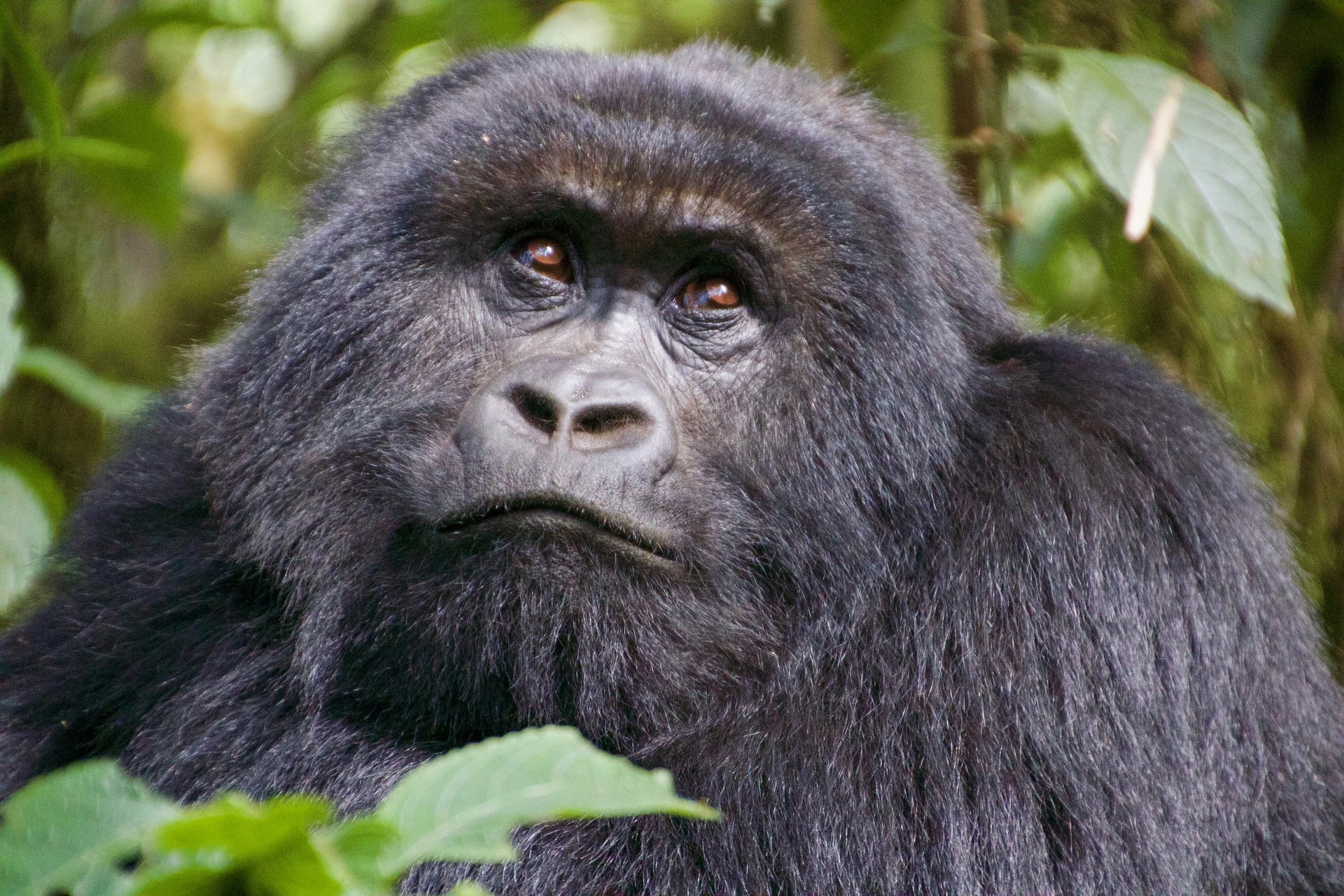
Judged purely as cost per hour of wildlife viewing, it's an extraordinary price. Judged as what it actually is — a contribution to one of the most successful conservation turnarounds in the history of endangered species management, delivered alongside an experience most people describe as unlike anything else in travel — the calculation looks different.
We'd rather set the reasoning out honestly than simply assert the trip is worth it, because it isn't worth it to everyone, and pretending otherwise would be bad advice dressed as marketing.
What the money funds
Rwanda's permit is priced well above Uganda's USD 800 and the DRC's USD 400 by deliberate policy. Since 2005, ten percent of all national park revenue has gone directly to communities around protected areas — funding schools, health centres and water infrastructure through more than a thousand local projects. The remainder supports anti-poaching patrols, veterinary monitoring and habitat management.
The results are measurable: the Virunga population has grown past 600 individuals, part of a recovery that saw the species' IUCN status improve from Critically Endangered to Endangered in 2018 — one of vanishingly few great ape populations moving away from extinction rather than toward it. Whether that justifies the price is a personal judgment, but it isn't a vague claim. It's a checkable one.
What you're actually paying for, practically
The permit covers park entry, a guided trek with trained trackers, an armed ranger escort, and the hour itself. It does not cover transport, lodging or guiding fees — meaning the full cost of a Rwanda trip runs considerably higher than the permit alone once flights, a private guide and accommodation are added. Worth stating plainly rather than letting the headline figure imply the total.
The alternatives, honestly
Uganda's Bwindi offers the same species at a lower permit price, and for travellers weighing cost it makes a genuinely strong case. What Uganda doesn't offer is Rwanda's proximity: a 2.5-hour paved drive from Kigali versus Bwindi's eight-to-nine-hour transfer or a light aircraft connection. For travellers with limited time, that access difference has its own real value.
The DRC's Virunga National Park offers the lowest price of the three, but the park has faced significant tourism disruption amid regional instability, and current travel advisories should be weighed carefully before treating price alone as decisive.
Who should skip it
If the goal is simply to see a great ape in the wild at the lowest reasonable cost, and time isn't a major constraint, Uganda's lower permit is a legitimate reason to choose it. If budget is genuinely tight and this would meaningfully strain the rest of the trip, that's a real consideration worth weighing rather than talking yourself past. Gorilla trekking is extraordinary, but it is not the only extraordinary thing East Africa offers.
Who it's genuinely worth it for
Travellers who value time efficiency; those who find the conservation funding model meaningful rather than incidental; and anyone who has weighed the alternatives honestly and still finds Rwanda's specific combination of access, infrastructure and outcome the right fit.