
Each September, Rwanda holds Kwita Izina — a formal ceremony naming every baby gorilla born in Volcanoes National Park over the preceding year.
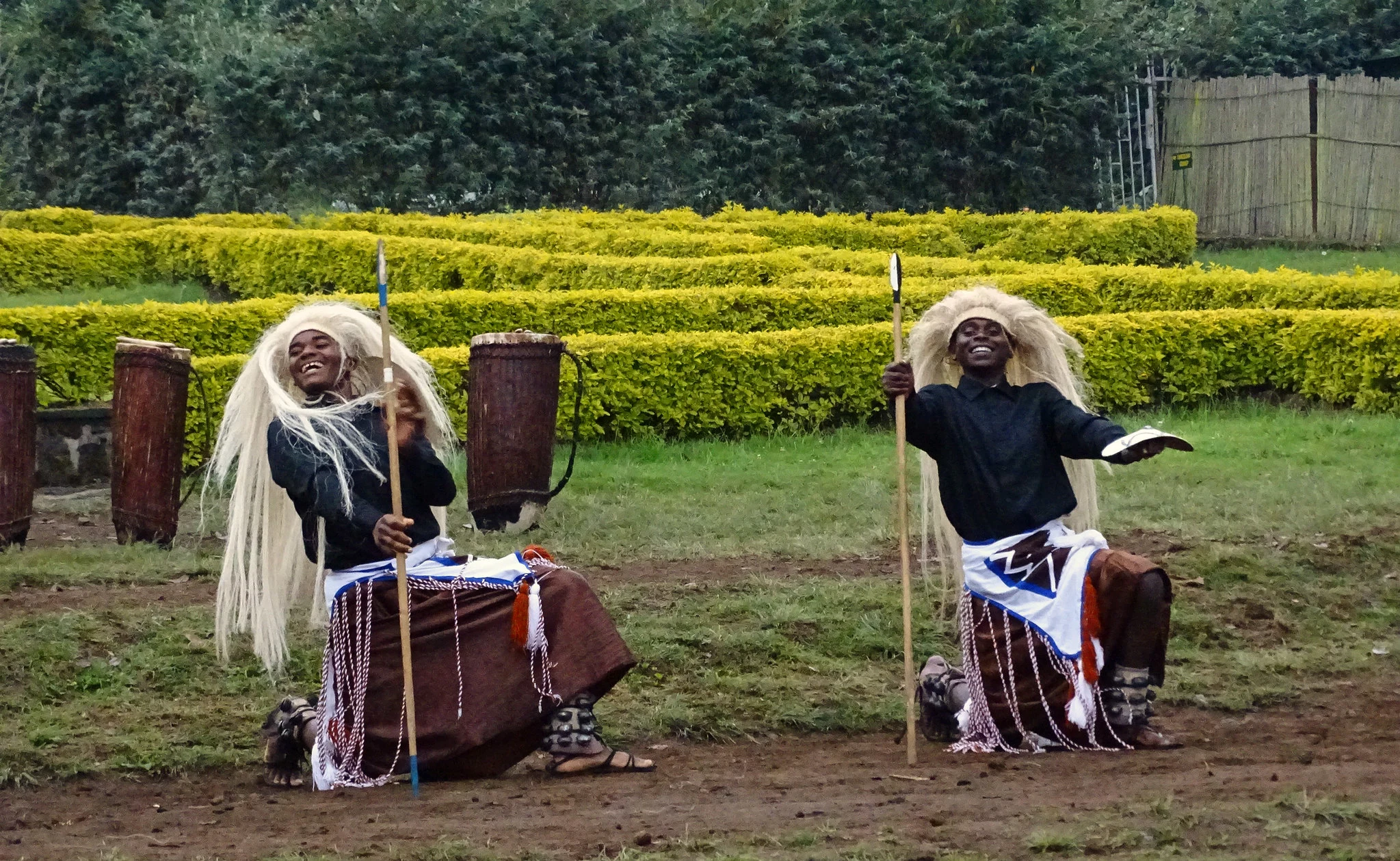
The name translates from Kinyarwanda as "to give a name," and the ceremony is modelled directly on a traditional Rwandan custom: a child's formal naming before family and community, marking their acceptance into society. Adapting this for gorillas in 2005 was a deliberate act, not a marketing gesture — it wove conservation into Rwandan cultural identity rather than positioning it as an external, government-driven programme.
Since inception the ceremony has named several hundred gorillas, with the 2025 event marking its twentieth anniversary. Each name carries genuine meaning, often reflecting the circumstances of the birth, family traits, or broader themes of peace and resilience central to Rwanda's post-1994 narrative.
Why a naming ceremony matters
It would be easy to dismiss Kwita Izina as symbolic, but it sits directly on top of Rwanda's tourism revenue-sharing structure, which has funded more than a thousand community projects since 2005 through a policy directing 10% of park revenue to communities around protected areas. Kwita Izina is the annual, highly visible moment where the connection between conservation and community benefit is renewed publicly.
It also personalises conservation in a way raw population statistics don't. Giving each newborn an individual name, chosen with genuine input from community members and conservationists, builds the emotional connection that sustains public support for a decades-long project.
Who attends
Kwita Izina has grown from a local Musanze-area event into an internationally recognised occasion, drawing conservationists, diplomats and public figures as "namers" — among them, over its history, primatologist Dr Jane Goodall alongside entertainers, business leaders and global media figures.
Should you time a trip around it?
It adds a genuinely distinctive cultural dimension for travellers who can align their dates, but understand the trade-off: September sits within Rwanda's peak dry season, and the ceremony adds demand on top of an already busy month. Travellers wanting to attend should plan considerably further ahead than a standard peak-season trip.
The ceremony typically anchors a broader week of conservation events in Musanze and Kigali — exhibitions, community celebrations and cultural performances — offering a fuller picture of how deeply conservation is woven into Rwandan public life.