
Rwanda's permit costs USD 1,500. Uganda's costs USD 800, dropping to USD 600 in its green-season months. The DRC's Virunga charges USD 400.
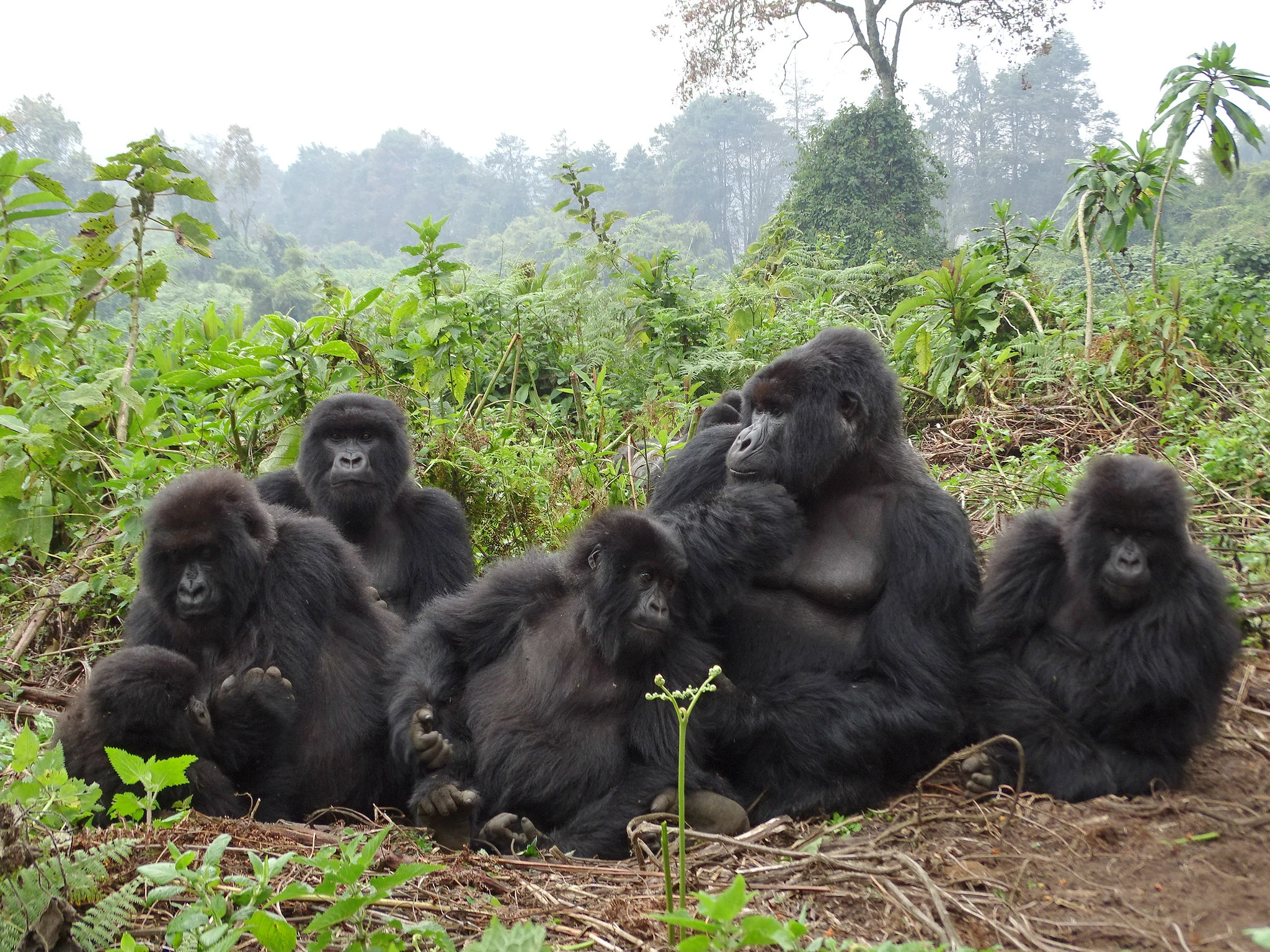
All three offer access to the same species across the shared Virunga ecosystem and, in Uganda's case, the separate Bwindi population. The price gap isn't a reflection of a fundamentally different encounter — it reflects three different national tourism and conservation funding strategies.
Where Rwanda's revenue goes
Rwanda's pricing sits within a deliberate high-value, low-volume model, adopted to keep visitor numbers — and pressure on a still-recovering population — lower than volume-based alternatives would allow, while maximising conservation and community funding per visitor.
Since 2005, 10% of all national park revenue has been directed to communities living around protected areas, funding more than a thousand local projects: schools, health centres, clean water systems, agricultural cooperatives. Rwandan tourism revenue overall reached USD 685 million in 2025, with gorilla tourism contributing a substantial share.
The remainder supports anti-poaching patrols, veterinary monitoring through partnerships including the Dian Fossey Gorilla Fund's Karisoke Research Center, and the reforestation and buffer-zone work several leading lodges participate in directly.
Uganda's different model
Uganda's lower price reflects a higher-volume approach across a larger habituated population spread over four trekking sectors in Bwindi, plus Mgahinga. Uganda's model still directs meaningful revenue toward conservation and community programmes, but the lower per-permit price combined with greater capacity produces a different volume-to-price balance.
Neither model is objectively superior from a conservation standpoint — both countries have seen genuine population growth — but they represent a real strategic difference worth understanding rather than treating the gap as simple overpricing.
What the funding has achieved
The measurable outcome across the Virunga Massif has been significant: a population that has grown past 600 individuals, part of the trend that saw the species' IUCN status improve from Critically Endangered to Endangered in 2018. This is one of very few examples of a great ape population trend reversing, and Rwanda's funding model is widely credited by conservation organisations as a central contributor, alongside comparable efforts in Uganda.
The honest trade-off
Paying more in Rwanda buys a specific combination: a smaller, more tightly managed visitor experience, proximity and road infrastructure that meaningfully reduces transfer time, and a documented link between your fee and specific community outcomes. Paying less in Uganda buys a lower direct cost, more families and capacity, and the option of a multi-hour habituation experience Rwanda doesn't offer.
Both are legitimate, well-run conservation tourism models. The right choice depends on what you're actually optimising for.