
Rwanda's equatorial highland climate means temperatures stay relatively consistent year-round. Rainfall is the defining variable, not heat.
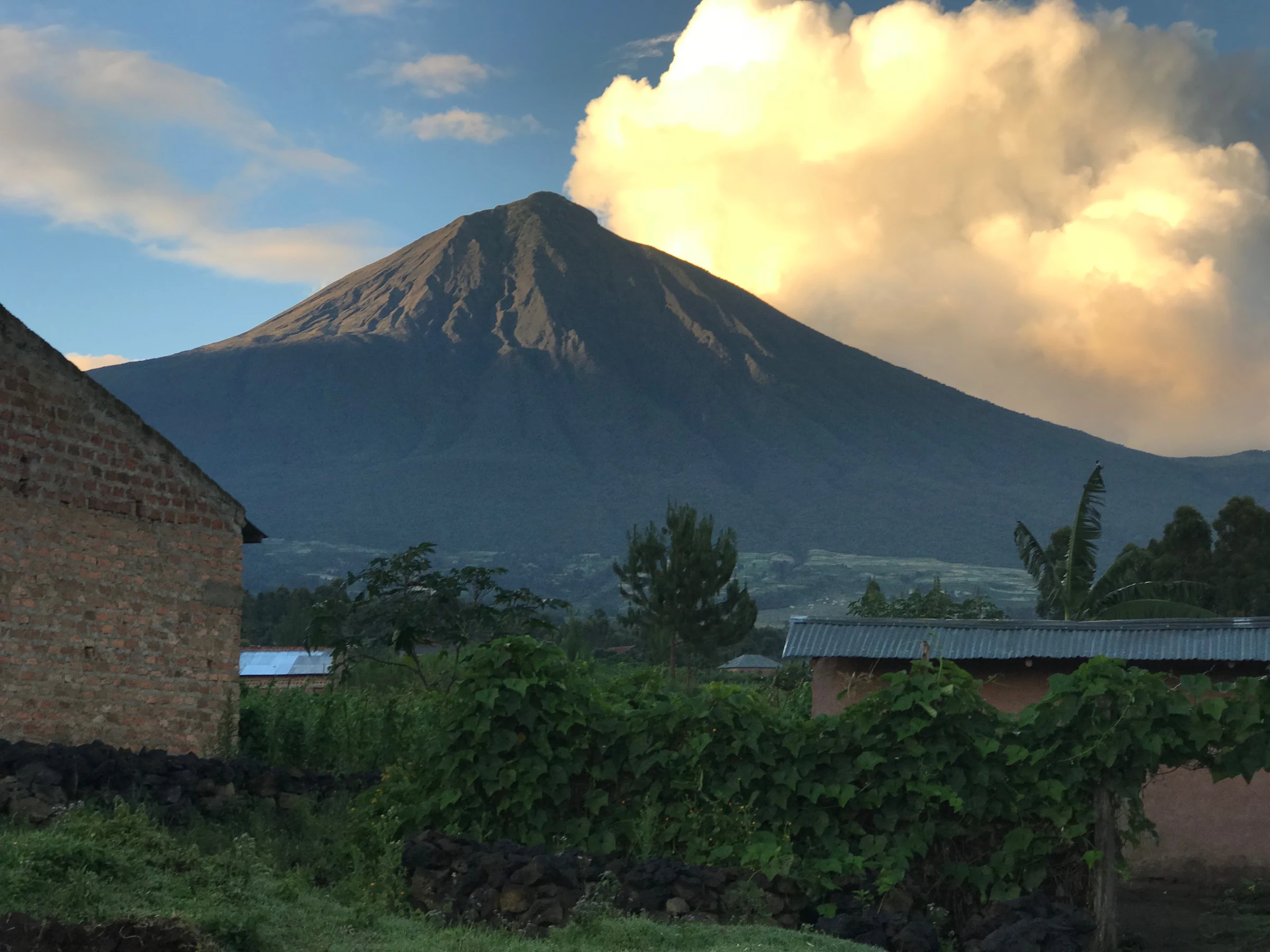
Days are generally mild given the elevation — low-to-mid 20s Celsius — with cooler evenings, particularly at altitude near Volcanoes National Park. There are two dry seasons (June to September, mid-December to February) and two rainy ones (March to May, October to November).
Gorilla trekking
The dry seasons offer firmer trails and the highest demand; the rains offer Rwanda's 30% low-season permit discount, lower crowds and greener landscapes at the cost of mud. Full seasonal trekking guide →
Akagera
The dry season (June–September, and to a lesser extent December–February) offers the strongest game viewing, as vegetation thins and animals concentrate more predictably around remaining water. The park is rewarding year-round, but predator sightings specifically improve when visibility across the savannah is best.
Nyungwe
Nyungwe's rainforest climate is wetter and cooler than Rwanda's other regions regardless of season — rain gear is essential in any month. Dry-season months offer somewhat firmer trails, though chimpanzee sighting probability is driven more by the troops' daily movement than by season.
Lake Kivu
Lower altitude and a lakeside setting make Kivu genuinely comfortable in any season, with less rainfall impact on the relaxed, unstructured days most travellers build around a lake stay.
Beyond weather
Peak demand: June–September and the December holiday period see the highest pressure on permits and premium lodges — booking pressure, not weather, is the dominant planning factor.
Photography: many photographers favour the shoulder months — April–May and October–November — for dramatic cloud, mist over the volcanoes and richly saturated green, alongside thinner crowds.
Family travel: northern-hemisphere school holidays align closely with Rwanda's peak dry seasons, so family travellers should expect to book significantly further ahead.
Kwita Izina: Rwanda's annual gorilla naming ceremony, typically in September, draws international attention — worth considering, though it adds to an already high-demand month. More on Kwita Izina →